Spotting the early signs
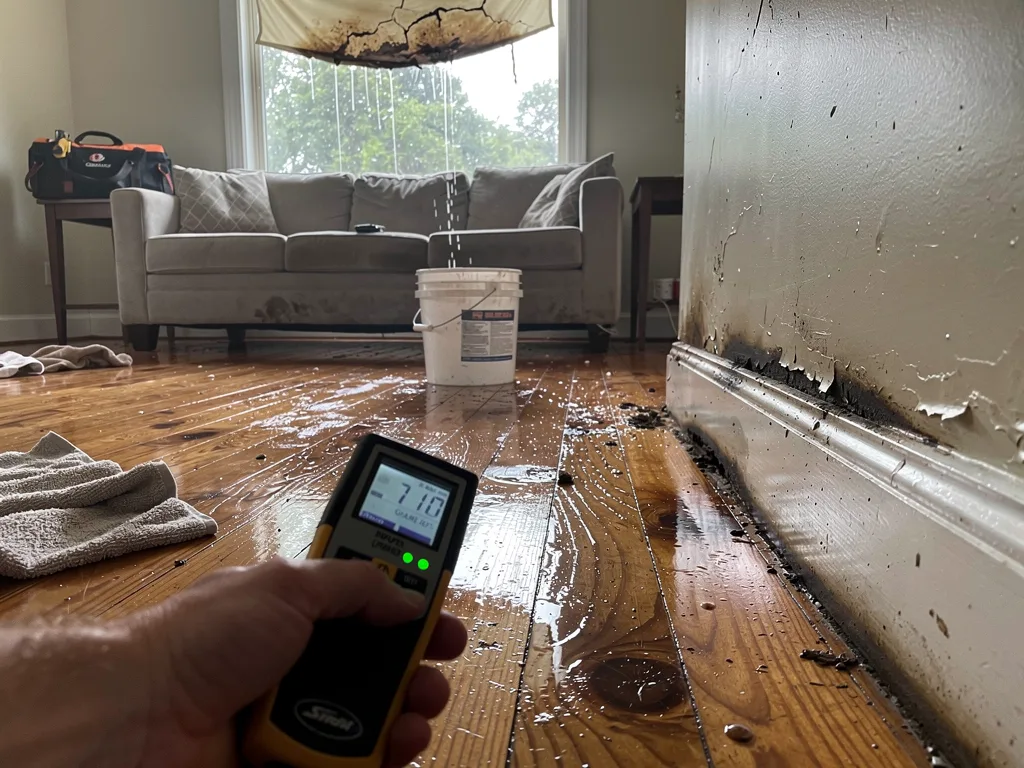
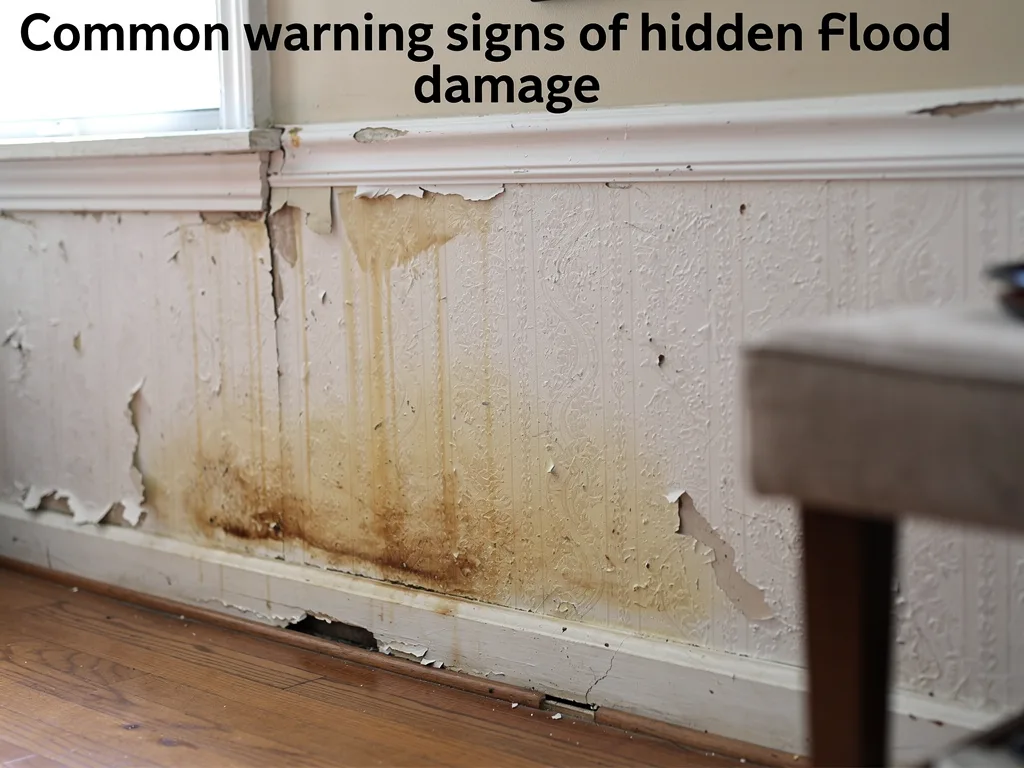
Flood events leave more than obvious puddles. In North Carolina homes, you may notice a musty smell, peeling paint, or warped baseboards long after the water recedes. Look for persistent dampness in basements, crawl spaces, or storage areas. Discolored drywall or stained ceilings can indicate hidden moisture behind surfaces. Our restoration specialists in North Carolina see these issues when water intrudes and can start impacting structural materials if left unchecked.
Another common indicator is a sudden increase in humidity or the appearance of condensation on windows and electronics. Warped trim around doors, soft spots on floors, and a lingering odor of mold are all reasons to pause and assess. If you notice any of these signals, it’s a sign to bring in restoration specialists who can evaluate moisture levels and determine the best next steps across North Carolina.
Why these signs matter
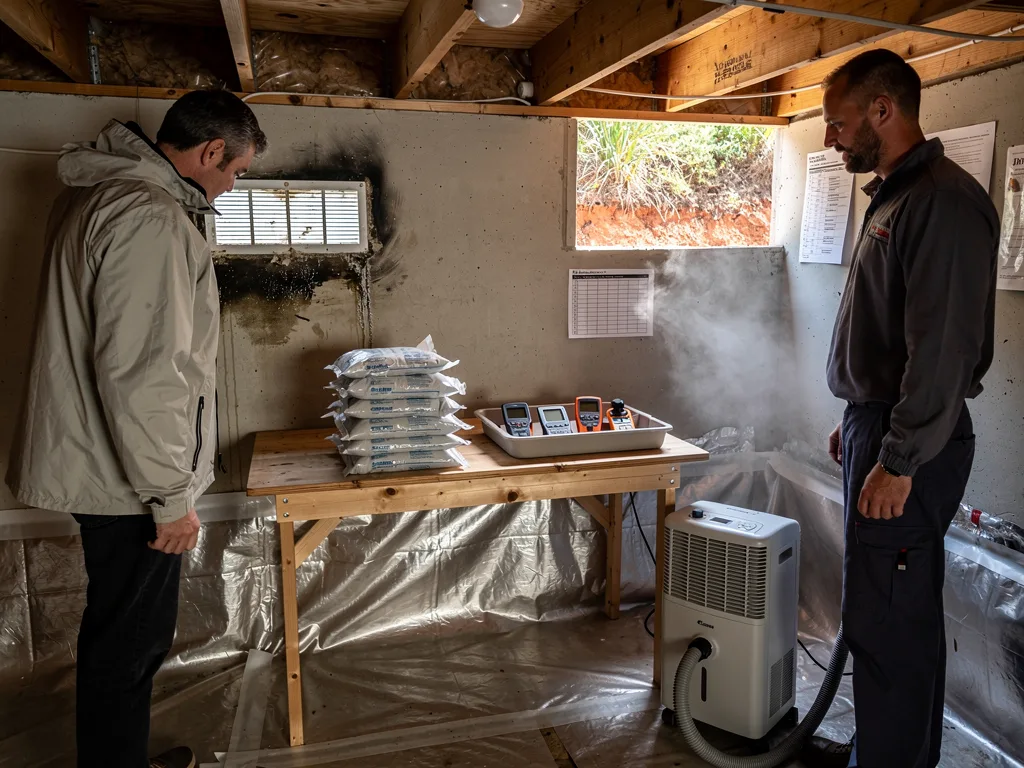
Hidden moisture can lead to wood rot, fallen insulation, and compromised structural integrity. In North Carolina, seasonal humidity can mask the extent of damage, making early assessment crucial. Restoration specialists use moisture meters and thermal imaging to map where moisture lies behind walls, so you don’t have to guess what’s happening inside the building envelope.
Responding quickly helps minimize secondary issues like mold growth and added material damage. In North Carolina, crews are prepared to mobilize across the state, so you don’t have to wait for a local specialist to arrive from far away. A swift evaluation helps you plan repairs and get your home back to a safe, dry state.
What to do if you spot signs
Call for a professional assessment when you see signs described above. A restoration specialist will perform a thorough inspection, identify moisture sources, and outline a clear plan. If damage is confirmed, expect a step by step process that prioritizes drying, deodorization, and stabilizing the environment to prevent further issues. Across North Carolina, our team emphasizes practical, transparent communication from the first call through the final walkthrough.
In the meantime, reduce humidity where possible by increasing ventilation and removing any standing water carefully. Avoid using heat methods that can push moisture into unseen areas. Remember, you don’t have to navigate this alone; restoration specialists across North Carolina are ready to help you assess and respond to early warning signs with a sensible plan.