Understanding North Carolina’s moisture cycle
North Carolina swings through humid summers and wet springs, with occasional heavy rain and tropical threats in certain regions. More moisture in the air means more potential for hidden dampness behind walls and floors. A statewide view helps you plan with crews in every North Carolina metro ready to respond if needed.
Seasonal steps to reduce moisture
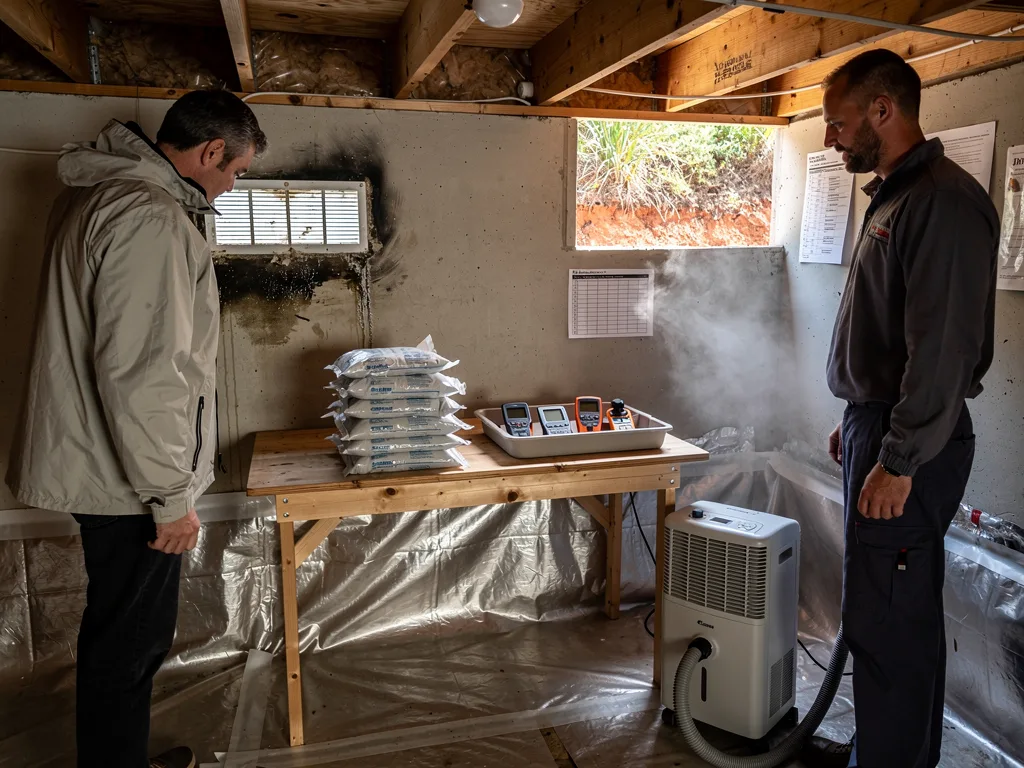
In spring and summer, check gutters and roof drainage to prevent water from seeping toward the foundation. Keep crawl spaces well ventilated and inspect window seals after storms. In fall, seal gaps around doors and vents to cut down on indoor humidity. Winter brings its own risks; ensure you have a working dehumidifier in damp basements and monitor any condensation on windows after heating cycles.
Preventive measures you can take
Install improve drainage around the home, especially if you notice pooling after rain. Maintain landscaping so soil slopes away from the foundation. If you have a finished basement or living area, consider a moisture barrier and proper ventilation to reduce hidden moisture risks. Our restoration specialists across North Carolina can help you design a preventive plan that fits your home’s layout and climate.
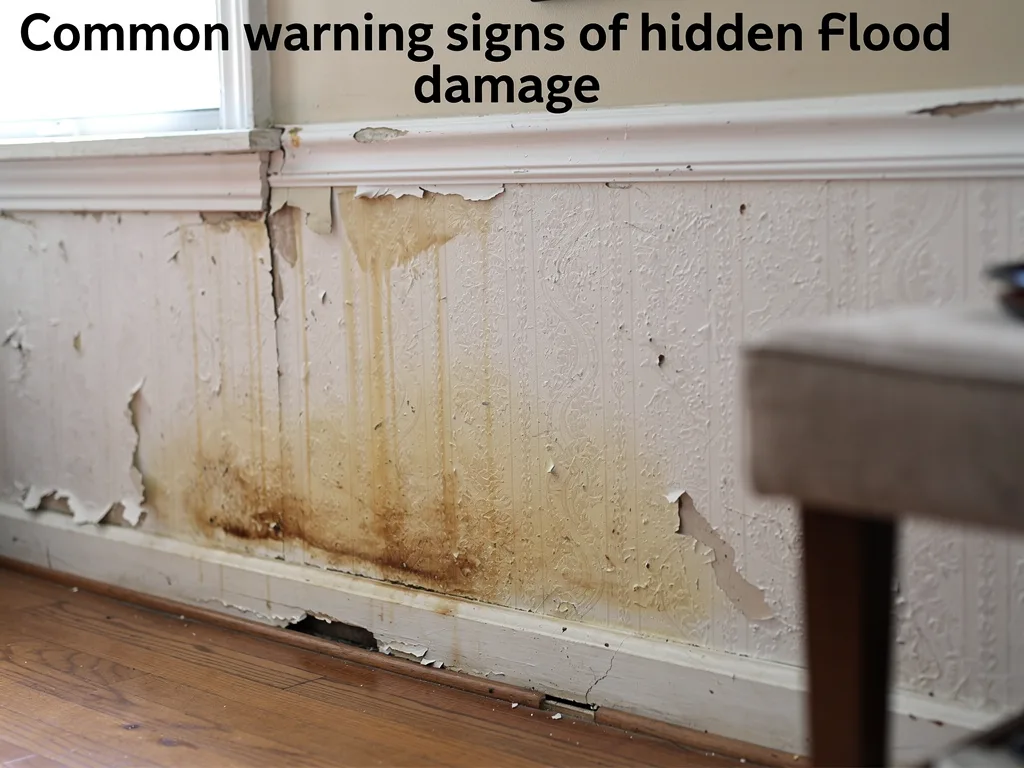
- Regularly inspect for signs of dampness, such as musty odors or stains.
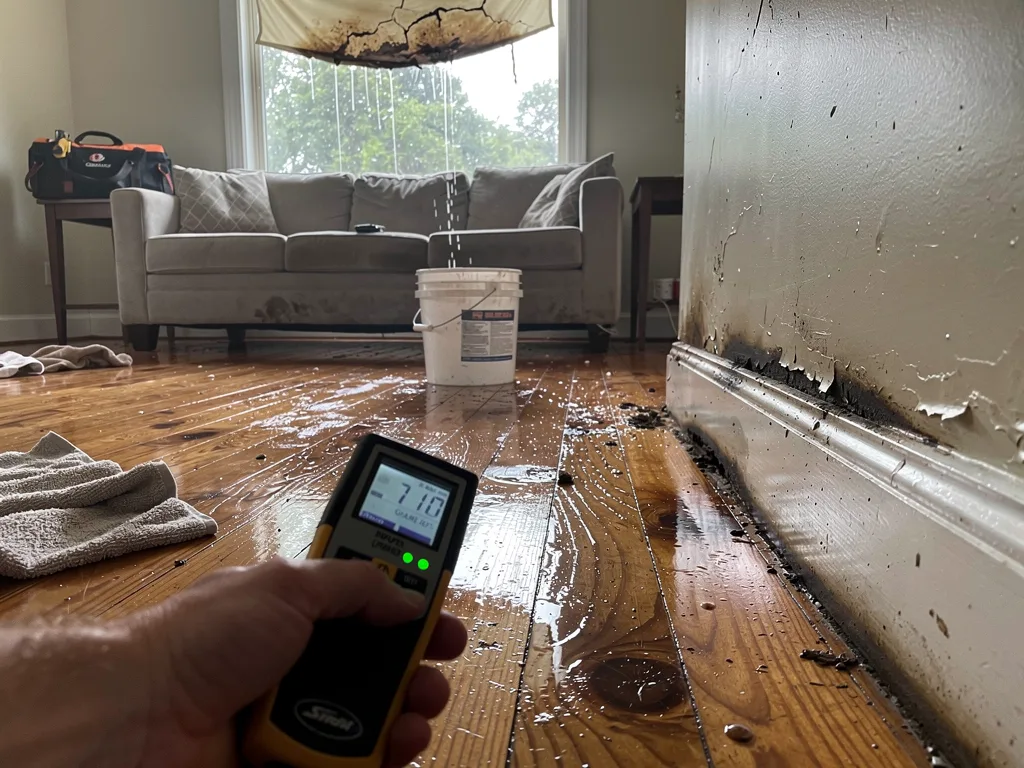
- Test humidity levels and use a dehumidifier in damp spaces.
- Schedule seasonal checkups with a restoration specialist to catch issues early.
A practical yearly cycle
Many North Carolina homeowners find success with a simple annual routine: spring moisture check, summer gutter and roof review, fall sealant refresh, and winter humidity control. This approach keeps moisture in check without turning into a full-scale restoration project. If you notice persistent dampness, call a restoration specialist for a professional assessment across the state.